

Navigate change with a steady course

ESTAI® Consulting
empowers companies to lead the journey toward digital transformation and sustainability
Why we are called ESTAI (staysail)
In sailing, the staysail (estai) performs a vital function: it enhances stability and balance and assists in maintaining course, complementing the mainsail, which remains the vessel’s principal source of propulsion.
That’s the spirit behind ESTAI: helping organizations strengthen their strategic navigation, safeguarding their core business while expanding agility and control.
Why it matters for industry
In today’s industrial landscape, market turbulence and operational pressures can easily steer a company off track. When management is deep in the “storm,” realignment becomes more demanding. ESTAI partners with leadership teams to realign strategy, sharpen focus, and execute with confidence — reducing uncertainty and accelerating results.
What ESTAI brings on board
ESTAI brings together professionals with management and industrial operations experience, dedicated to helping companies regain agility, consistency, and confidence in execution through a pragmatic, results-driven approach designed for real-world impact.

Our Purpose
ESTAI exists to help industrial companies achieve a sustainable and competitive transformation by integrating:
- Sustainability and Circular Economy (from strategy to implementation);
- Lean Management / Kaizen (continuous improvement and waste reduction);
- Digitalisation and process automation (efficiency, quality and speed);
How we work
We apply a holistic, structured approach that combines Lean practices, digital tools, and agile methods, working side by side with teams to turn intention into measurable results, with disciplined execution.
What makes us different
- Executive and industrial experience (management, operations, and performance improvement)
- Proven methodologies and practical tools tailored to each company’s specific challenges
- A strong focus on results and measurable impact on operational and financial performance
- A problem-solving culture that engages the organization and builds sustainable, continuous improvement.
Our team


Our consultants come from engineering backgrounds, with advanced management training (MBA) and specializations in Sustainability, Circular Economy, AI, and Lean Management — ensuring technical rigor paired with pragmatic business thinking.

How we deliver value
We turn plans into real results through disciplined execution and close collaboration across all areas of expertise
- Diagnostic and current-state mapping: understanding reality before defining direction.
- Clear roadmap: priorities, roles, and timelines.
- Hands-on execution: on-site presence (Gemba), training, and coaching.
- Performance and capability building: standardization, KPIs, and training that secure lasting results
Expertise that drives transformation forward
Sustainability
as a driver of value, resilience, and positive impact
We design ESG solutions tailored to each company’s reality — embedding sustainability into both strategy and daily operations to strengthen competitiveness, value creation, and organizational resilience.
Our method follows the VSME standard, through a clear, practical sequence:
- Double materiality assessment: identifying the most relevant ESG topics, risks, and impact opportunities;
- Strategic roadmap: defining goals, priority actions, and implementation plans;
- Performance indicators: building metrics and monitoring systems that track progress and demonstrate results.
Within this framework, we integrate the principles of Circular Economy, helping companies uncover opportunities to reduce waste, optimize resource use, and design more circular value chains — turning sustainability into a source of innovation and long-term efficiency.
Expected outcomes
- Alignment with international standards and frameworks;
- Stronger, more compliant, and resilient value chains;
- Enhanced reputation, customer trust, and competitive differentiation.

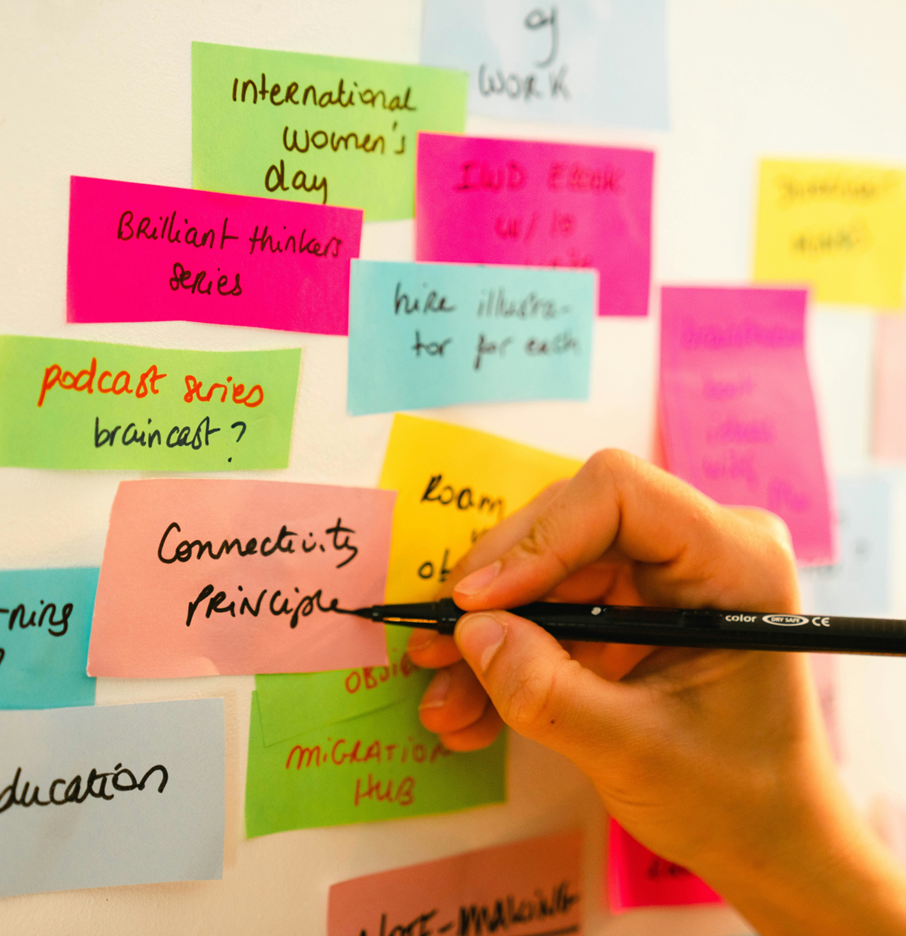
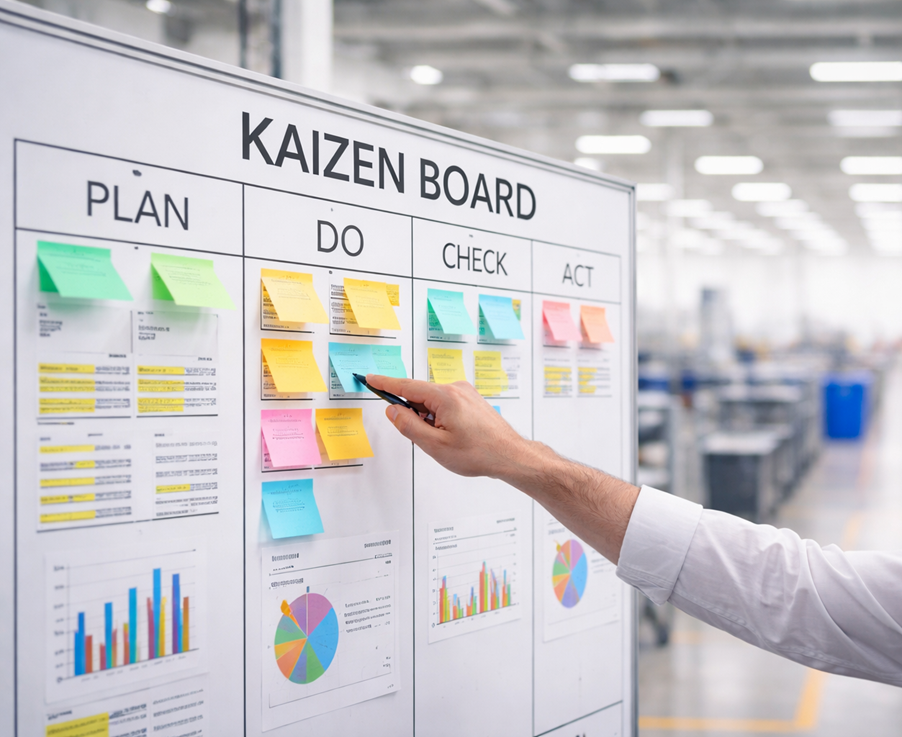
Lean Management / Kaizen
operational excellence focused on what truly creates value
We help companies simplify processes, eliminate waste, and boost productivity by applying Lean/Kaizen principles in a practical, results-oriented way.
How we work
- Map processes to reveal simplification and improvement opportunities;
- Deploy practical tools like 5S, Standard Work, visual management, and SMED to drive discipline, clarity, and shop-floor efficiency;
- Engage teams in methods that strengthen focus, discipline, and autonomy;
- Build continuous improvement dynamics that lock in gains and champion an excellence culture.
Expected outcomes
- More agile and consistent processes.
- Sustained improvements in productivity, quality, and competitiveness
Digitalisation
Data and digital tools that improve performance
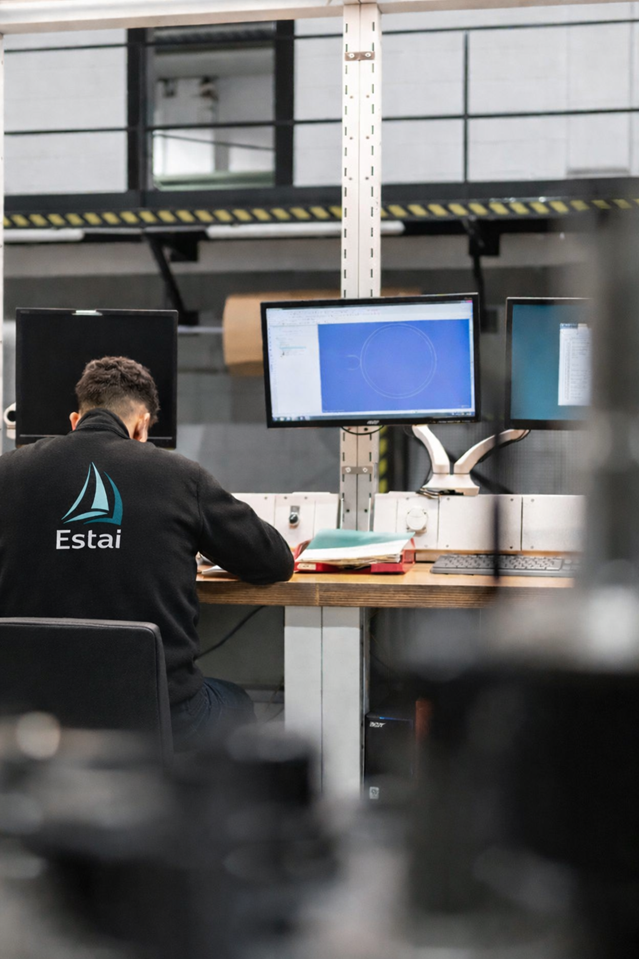
We support the digitalisation of industrial companies by combining information, tools and ways of working to enhance operations and decision-making.
How we work
- Process mapping and identification of critical data points;
- Digital workflows (paperless processes, traceability, visual management);
- Dashboards and near real-time operational KPIs;
- Systems integration and decision-support improvements;
- Readiness for automation and, where relevant, AI.
Expected outcomes
- Fewer errors and less rework;
- Faster, data-driven decisions;
- Greater operational control and predictability.
Automation
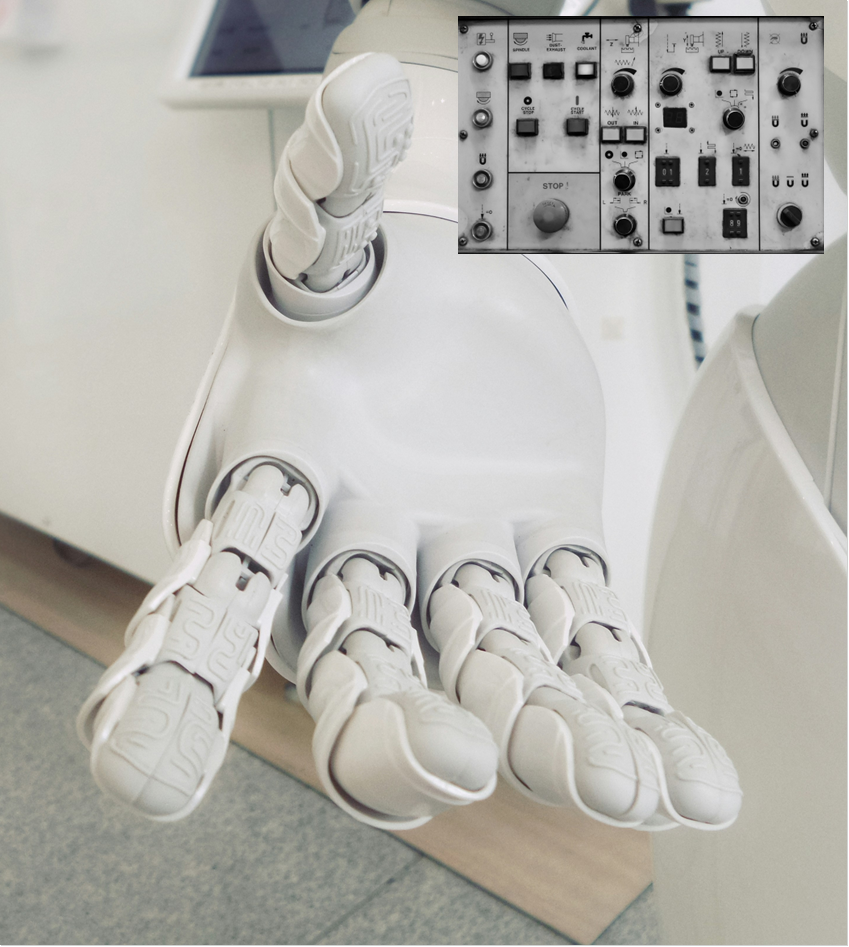
To increase reliability and free up time
We identify and automate repetitive and critical processes to reduce lead times, errors and costs, improving responsiveness and consistency.
How we work
- Selection of processes with high automation potential;
- Process redesign before automation (to avoid “automating waste”);
- Automation of administrative and operational workflows (integrations, validations, approvals);
- Use of AI when it genuinely adds value and is fit for purpose.
Expected outcomes
- Less admin time, more time for value-added work;
- Faster, traceable and audit-friendly processes;
- Lower cost and improved scalability.

ESTAI® consulting
Rua S. João da Foz 111
4150-676 Porto, Portugal
email: info@estai.pt